


Protruding Teeth: What Causes Buckteeth in Kids?
Posted on August 9th, 2024 | Christopher Neal
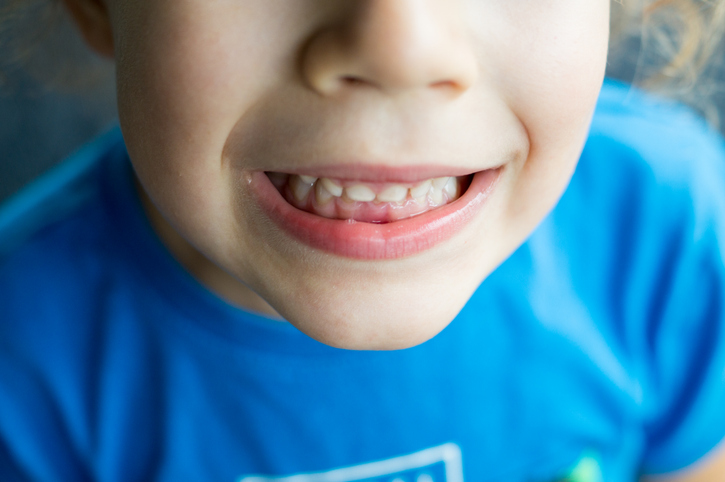
Protruding teeth, commonly known as buck teeth, refer to upper front teeth that extend noticeably forward from the lower teeth. You’ll often see the upper front teeth jutting past the lower lip or sitting at an outward angle. This look—where the upper incisors protrude—can be more than just cosmetic: it’s often a sign of an overbite, a type of malocclusion (bite misalignment).
Buck teeth are fairly common in children—in fact, protruding front teeth are one of the most frequent bite-related issues seen in school-age kids. Fortunately, many children don’t need treatment. However, for children with moderate to severe protrusion, early orthodontic treatment can lower the risk of injury and make braces treatment more effective.
Let’s explore what causes buck teeth in children and which type of orthodontic treatment your child might need. Afterward, reach out to our Tinley Park pediatric dentists to schedule an appointment with our friendly, experienced team!
What Causes Buck Teeth in Children?
Buckteeth, also known as overjet, can be caused by a number of factors:
Genetics
A child’s jaw size and shape are inherited. Sometimes, the natural growth pattern of the upper and lower jaws leads to an overbite, causing the upper incisors to protrude. Breathing patterns—such as chronic mouth breathing—can also influence jaw development and worsen the misalignment.
While genetics can’t be changed, early guidance and avoiding harmful oral habits can help. Orthodontic therapy is often effective when jaw positioning is the primary issue.
Number of Teeth
Extra teeth or overcrowding can force teeth out of alignment. When the dental arch doesn’t have enough space, teeth may overlap or push forward.
Missing teeth can create the opposite problem, but with a similar effect. When there are gaps—whether from baby teeth falling out early or missing permanent teeth—the remaining teeth tend to shift. This drifting can alter the bite and cause upper teeth to protrude.
Thumb Sucking & Pacifiers
Thumb sucking and pacifier use are normal during early childhood, but if these habits continue past age 3 or 4, they may affect tooth eruption and bite development. The repeated pressure from the thumb or pacifier can push the upper front teeth outward and change the angle at which they grow. Pacifiers used for too long can have the same impact.
Tongue Thrust
Tongue thrust is an atypical swallowing pattern where the tongue pushes forward between the upper and lower teeth. Normally, the tongue should press against the palate just behind the upper front teeth. Over time, tongue thrusting can create an open bite or contribute to an overbite by gradually moving the upper incisors forward.
Abnormal Growths
Though uncommon, growths such as cysts or tumors in the upper jaw can displace teeth. When these growths put pressure on the tooth roots or the surrounding bone, they may cause the front teeth to shift outward.
Treatment For Buck Teeth in Kids
Treating protruding teeth—or buck teeth—depends on what’s causing the overbite and how severe it is. The goal is to align the teeth and jaws so a child can bite, speak, and smile comfortably. Here are the most common treatment options pediatric dentists and orthodontists use:
Early Intervention (Phase I Orthodontics)
For younger children, especially those still losing baby teeth, early treatment can guide jaw growth and make later orthodontic care easier. This phase may include:
- Palatal expanders, which widen the upper jaw to create more space.
- Functional appliances, such as a Herbst appliance, to help correct jaw positioning.
- Habit correction for thumb sucking, pacifier use, or tongue thrust, which can reduce the pressure that pushes teeth forward.
Early treatment is most effective when protrusion is linked to jaw development or harmful oral habits.
Braces
Traditional braces are one of the most common ways to fix protruding teeth. Brackets and wires apply gentle pressure that moves the teeth into a healthier alignment. Braces are especially helpful for:
- Overcrowding
- Tooth tipping
- Significant overjet (upper front teeth pushed too far forward)
Clear Aligners (Invisalign)
For many older children and teens, Invisalign can correct mild to moderate protrusion. These custom-made aligners shift the teeth gradually and are nearly invisible. They’re often recommended when:
- The overbite isn’t severe
- The jaws don’t need major repositioning
- A teen is responsible enough to wear aligners consistently
Extractions (When Necessary)
If a child has severe overcrowding or extra teeth (supernumerary teeth), removing one or more teeth may be recommended. Creating more space allows the remaining teeth to move back into the correct position.
Orthognathic Surgery
In rare and severe cases—usually where the jaw bones themselves are significantly misaligned—jaw surgery may be needed once growth is complete. Surgery is typically reserved for:
- Major skeletal overbites
- Cases where orthodontics alone can’t correct the jaw relationship.
Most children do not need surgery, but it’s an option when other treatments can’t fully restore normal function.
Retention
After any orthodontic treatment, a retainer keeps the teeth from shifting forward again. Retainers are essential for maintaining long-term results, especially for children who had habits like thumb sucking or tongue thrust.
Find Gentle Care For Your Child’s Bite Alignment Issues
The best way to support proper bite development is through early and consistent dental care. If you’re looking for a Tinley Park pediatric dentist who can help guide your child’s oral health, Chicago kiDDS Pediatric Dentistry is here to help.
We offer personalized treatment plans and comprehensive care for all types of malocclusion. Our team provides a wide range of services to keep your child’s smile healthy, functional, and confident. Call (708) 448-6700 to schedule a visit and see why families trust us for gentle, experienced pediatric care!